Most people encounter jerk seasoning as a flavour on a fast food menu or a dusty jar on a supermarket shelf. Neither comes close to the real thing. Authentic jerk seasoning is a wet marinade with deep Caribbean roots, a complex flavour profile built from allspice and fresh herbs, and a heat that builds slowly rather than hits and disappears. This is the full story of where it comes from, what goes into it, and how to get the most out of it in your own kitchen.
Where Jerk Actually Comes From
Jerk seasoning traces back to the Maroons, the communities of formerly enslaved Africans who escaped into the Blue Mountains of Jamaica and built independent settlements there. Preserving meat in the mountains without refrigeration meant developing techniques that were both practical and flavourful. They seasoned wild boar with allspice berries, scotch bonnet peppers, and local herbs, then slow-cooked it over pimento wood fires. The combination of heat from the peppers and the aromatic oils in the allspice acted as a natural preservative as much as a seasoning.

That foundation has not changed in hundreds of years. The core of authentic jerk seasoning is still allspice (known as pimento berry in the Caribbean) and scotch bonnet, held together by thyme, garlic, onion, and a hit of brown sugar that caramelises during cooking and gives jerk its characteristic crust. What has changed is how jerk has spread and evolved across the Caribbean. Each island and each family may put its own stamp on the blend, while Jamaica remains jerk’s cultural home. In Trinidad, the interpretation tends to be wetter and more herbaceous, incorporating citrus and vinegar to create a marinade that penetrates deeply into the meat.
What Goes Into Authentic Jerk
Understanding the ingredients helps you understand why jerk tastes the way it does.
Allspice (pimento berries) is the non-negotiable foundation. Despite the name, allspice is a single berry, not a blend of spices. It carries notes of clove, nutmeg, and cinnamon all at once, which is exactly what gives jerk its distinctive warmth and depth. Without it, you have spiced meat. With it, you have jerk.
Scotch bonnet and hot peppers provide the heat, but they also carry flavour. Scotch bonnet has a fruity, slightly sweet quality behind the fire. The amount and variety of pepper used is what determines the heat level of the final blend.
Brown sugar adds a subtle sweetness and promotes caramelisation on the surface of the meat during cooking. It softens the sharpness of the vinegar and balances the heat.
Thyme, garlic, onion, and citrus round out the profile. They add freshness and body to what would otherwise be a very intense blend. The citrus and vinegar also help tenderise protein, which is part of why jerk works so well as a marinade rather than a dry rub.
BackYard Blendz Jerk Seasoning uses this same foundation, made fresh in Trinidad and Tobago with no preservatives, no additives, no excess salt and no fillers. What you taste is the actual ingredient list, nothing added to extend shelf life or mask quality.
Heat Levels: Choosing the Right One for You
One of the most practical questions people have about jerk seasoning is simply: how hot is it? The honest answer is that it depends entirely on the product. Most commercial jerk sauces lean mild to avoid putting off mainstream consumers. BackYard Blendz gives you a real choice across three heat levels.
Mild (Level 1 of 4): Warm, aromatic, and deeply flavourful without significant heat. The allspice and herb notes come through clearly. This is the right starting point for anyone new to jerk, for cooking with children at the table, or for proteins that benefit from a subtler flavour profile, such as fish or prawn.
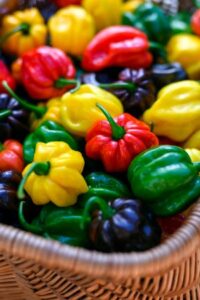
Medium (Level 2 of 4): A noticeable heat that builds as you eat, but never overwhelms the other flavours. This is where most people who enjoy Caribbean food will land. It gives the authentic jerk experience without requiring a high heat tolerance.
Hell (Level 4 of 4): This is a proper heat. It is not aggressive for its own sake, the flavour is still complex and balanced, but the pepper presence is significant and sustained. For the heat lovers, the barbecue crowd, and anyone who wants the full, uncompromising jerk experience.
All three levels use the same base marinade. The difference is in the pepper quantity and variety, not in the quality of the other ingredients.
Three Heat Levels. One Fresh Marinade.
No preservatives, no fillers. Just real Caribbean jerk, made fresh in Trinidad.
Shop Jerk SeasoningFresh Wet Marinade vs. Dry Rub: Why It Matters
A dry jerk rub sits on the surface of the meat. It seasons the outside and forms a crust during cooking, which is not without merit. But a wet marinade does something more interesting: it works its way into the protein, flavouring it from the inside out.
The acid in a wet jerk marinade (citrus, vinegar) begins breaking down the muscle fibres as soon as it makes contact. While that is happening, the fat-soluble flavour compounds from the allspice, thyme, and garlic are being carried into the meat. The result is a more even flavour throughout, a more tender texture, and a more complex crust during cooking, because the sugars in the marinade caramelise differently to a dry rub.
For the best results, allow the marinade to work for at least an hour, if time permits. Overnight is better, particularly for bone-in chicken or larger cuts of pork, but a good jerk chicken marinade can still build bold flavour in about 30 minutes.
For a full jerk flavour, use about ¼ cup of BackYard Blendz Jerk Seasoning per 1 lb of protein, then adjust to taste. Rub the marinade evenly over the meat and allow at least 30 minutes before cooking so the fresh herbs, spices and aromatics have time to work into the surface.
Everything You Can Do With Jerk Seasoning
Jerk chicken is the obvious entry point, but limiting jerk to one protein is genuinely selling the seasoning short.
Chicken remains the classic: drumsticks, thighs, and wings hold up particularly well to the marinade and the heat of the grill or oven. Score the skin before marinating to help the flavour penetrate.
Pork was the original vehicle for jerk in Jamaica. Slow-cooked jerk pork shoulder, pulled and served with roasted vegetables, is one of the most satisfying uses of the seasoning. The fat in pork absorbs the marinade beautifully.
Fish and seafood respond to a shorter marination (20 to 30 minutes is enough) and benefit from the Mild or Medium heat levels. Snapper, mahi-mahi, prawn, and lobster tail all work well. The citrus notes in the jerk complement seafood naturally.
Vegetables are often overlooked but handle jerk seasoning surprisingly well. Corn, sweet potato, cauliflower, and plantain all develop a wonderful depth when roasted with jerk marinade. This is also a strong option for a fully plant-based cook.
Shrimp is one of the quickest applications. Toss in jerk marinade for fifteen minutes, then cook over high heat for two to three minutes per side. The caramelisation from the brown sugar against the heat of the pan is genuinely something special.
In the US, jerk has found a natural home in barbecue culture, particularly during summer grilling season. If you are introducing it to a non-Caribbean crowd, the combination of smoky grill char with the allspice and herb depth of jerk tends to be immediately accessible. Jerk works on just about anything you can put over heat.
What Makes BackYard Blendz Jerk Different
In the UK and US particularly, most commercially available jerk products contain stabilisers, modified starches, artificial colours, and preservative systems designed to extend shelf life to two or three years. The flavour reflects that. The spice hits first and fades quickly, and the herb and allspice notes are largely absent.
BackYard Blendz Jerk Seasoning is made fresh in Trinidad and Tobago, independently lab-tested, and contains no preservatives, no additives, no excess salt and no fillers. It is a wet marinade in the genuine Caribbean tradition, refrigerated rather than shelf-stabilised. The ingredient list reads like a recipe, because that is essentially what it is.
The shelf life is shorter than a processed product, by design. What you get in exchange is the actual flavour of authentic jerk seasoning, not an approximation of it. If you want to explore how it pairs with other Caribbean staples, see how green seasoning fits into the same cooking tradition and why fresh herbs are at the heart of both.
Caribbean food is built on bold, honest flavours, and jerk is one of the finest examples of that. Whether you are cooking for a Sunday lunch or firing up the barbecue on a summer evening, the difference between a fresh jerk marinade and a processed substitute is something you will taste on the first bite.
Real Jerk. No Shortcuts.
Fresh, preservative-free jerk seasoning made in Trinidad and Tobago. Mild, Medium, or Hell.
Shop Now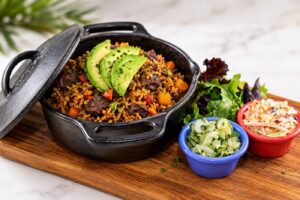
Trinidad Beef Pelau with Green Seasoning
A home-scaled Trinidad Beef Pelau adapted from a Tropical Krave restaurant recipe,…
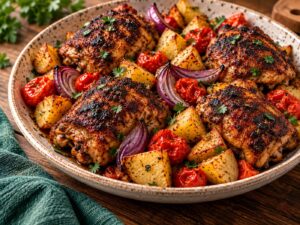
Air Fryer Jerk Chicken Thighs with Potatoes, Tomatoes and Onion
Air fryer jerk chicken thighs with potatoes, tomatoes and onion, seasoned with…
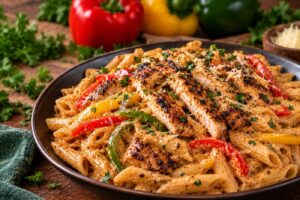
Spicy Jerk Chicken Pasta
Creamy jerk chicken pasta with BackYard Blendz Jerk Seasoning Medium, sliced chicken…