Eating Clean the Caribbean Way: Healthy Caribbean Meals
Pelau, curry chicken, and a plate of provision can all fit into a week of eating well. Building healthy Caribbean meals means paying attention to the vegetables, protein, starch and cooking fats that come together on your plate, then repeating choices that suit your household. You can keep the flavours you grew up with and make everyday meals more balanced, even when time and money are tight.
A balanced Caribbean diet starts with everyday habits
Here, “eating clean” means a practical approach to eating well, not a rulebook that divides food into good and bad. Variety, balance, portions and consistency matter more than whether every ingredient is fresh from the market. Frozen vegetables, tinned beans and ready-made seasoning can all have a useful place.
Aim for a range of vegetables and fruit, include protein foods, and make room for familiar staples. Choose water regularly instead of sweet drinks. The NHS Eatwell Guide explains that you can balance your intake over a day or week, rather than perfectly at every meal.
That leaves space for celebrations and favourite foods. A useful question at dinner is: what could I add or adjust to make this plate work better for me?
Build the plate with ingredients you already know
For an adult lunch or dinner, try roughly half the plate as vegetables, a quarter as protein and a quarter as your starchy staple. This flexible Caribbean adaptation of Health Canada’s plate guide encourages vegetables and fruit, protein foods, and whole grains. It is a starting point, not a fixed serving size: appetite, activity and individual needs vary.
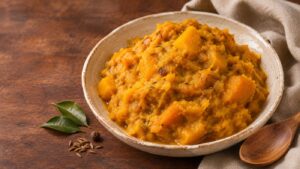
Pumpkin, bodi (long beans), ochro (okra) and cabbage bring different textures to the same meal. Pair sautéed cabbage and pumpkin with chicken and rice, or serve ochro beside fish and provision. You can add vegetables to the pot, serve them alongside, or do both.
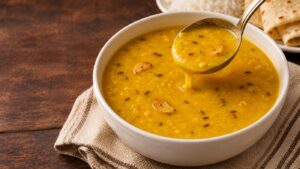
Pigeon peas, lentils, red beans and channa contribute protein and fibre. Fish, chicken and eggs offer other protein options. A lentil stew can be the main dish, while pigeon peas can share that role with chicken in pelau.
Rice, roti, and provisions such as dasheen, cassava, and sweet potato provide starch. If you enjoy several together, let them share the plate rather than piling on a full serving of each. Try whole-grain options when you enjoy them, without making brown rice a condition for eating well.
Keep pelau, curry and the meals you love
Pelau: make the vegetables count
Keep the browning, pigeon peas, rice and seasoned chicken that give pelau its character. Add carrot and pumpkin to the pot, then serve cabbage or a cucumber salad alongside. A few vegetable pieces mixed through a large pot do not replace a generous vegetable side. Measure the oil before browning and serve a portion that leaves room for the side.
Curry chicken: build a fuller plate
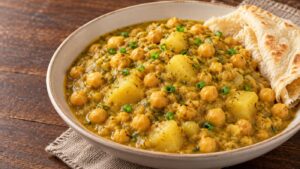
Cook your curry paste and aromatics in measured oil, adding a little water when needed to stop sticking. Include bodi or pumpkin in the meal. If the curry contains potatoes, count those alongside the rice or roti as part of the starch portion. Keep the curry flavour, adjust the balance around it.
Stewed fish: let the sauce do its job
Simmer fish gently in a tomato, onion and herb sauce rather than automatically frying it first. Add sweet pepper, then serve cabbage or ochro alongside. Spoon the sauce over the fish and choose a rice or provision portion that leaves space for vegetables.
Provision meals: think beyond the ground food
Serve boiled provision with eggs, fish or beans and a substantial vegetable side. Dasheen, cassava and sweet potato belong in the starchy part of this meal. They bring variety, but still need company from protein and vegetables.
Green Seasoning
Bring Herb Flavour to Everyday Meals
Made without preservatives, BackYard Blendz Green Seasoning brings familiar herb flavour to your everyday cooking.
Chadon beni, chive and thyme bring familiar herb flavour; garlic and ginger add aromatic depth. Pimento pepper contributes a mild, fragrant pepper flavour. Season the main ingredient early, cook onions and aromatics gently, and taste the finished dish before deciding what else it needs.
What is green seasoning and how do you use it?
Green seasoning is a blended herb and aromatic mixture used to season foods before or during cooking. In Trinidad and Tobago, it is a familiar starting point for chicken, fish, stews and other savoury dishes. BackYard Blendz Green Seasoning Original contains chive, garlic, thyme, pimento pepper, ginger, celery, chadon beni and salt.
Made in Trinidad and Tobago by Tropical Krave Gardens Ltd., BackYard Blendz Green Seasoning offers that herb base in a convenient 170 g pouch. Start with about one (1) tablespoon per pound (454 g) of chicken or fish, then adjust to the dish. Coat, cover and refrigerate for at least 30 minutes before cooking. Follow the pouch’s storage instructions.
What is chadon beni and why is it in green seasoning?
Chadon beni, also called culantro or bhandanya, is an aromatic herb with long, serrated leaves. It gives the blend a distinctive flavour associated with Trinidadian home cooking. Its role here is culinary: making the food taste familiar and satisfying.
BackYard Blendz Green Seasoning is made without preservatives. That describes its formulation; it does not determine whether the whole meal is balanced. Vegetables, portions, cooking fats and everything else added to the pot still matter.
Green seasoning contains salt, so taste before adding more, especially if using stock cubes or salty sauces too. Our companion guide, Low Sodium Cooking Without Losing Flavour, explores that part of everyday cooking in more detail.
Affordable Caribbean meal planning starts before shopping
Check the fridge and cupboard first, then plan meals that share ingredients. Cabbage can become a pelau side, part of an egg dish, or a quick sauté. Pumpkin can go into pelau and accompany a provision meal. Buy seasonal produce when it offers good value, and compare prices rather than assuming local or fresh always means cheaper.
Plain frozen vegetables and tinned pulses save preparation time and can reduce waste. The World Health Organization includes frozen and canned produce as useful choices when they have no added sugars or excess sodium. Choose beans without added salt where available; drain and rinse those packed in brine.
Batch prep can be simple: chop cabbage, cook a pot of lentils, or make extra curry for tomorrow’s lunch. Measure oil with a spoon rather than pouring straight from the bottle. You do not need organic ingredients, imported powders or expensive replacements to make this routine work.
Plan leftovers as carefully as the first meal. Divide cooked food into small containers, cool promptly and refrigerate within two hours. Use most chilled leftovers within 48 hours or freeze them sooner, following Food Standards Agency guidance. Keep the fridge at 5°C or below and packed lunches chilled until eating.
Rice needs extra care, including pelau. Food Standards Agency advice for rice is to chill it ideally within one hour, use refrigerated rice within 24 hours and reheat only once, until hot throughout. Freeze promptly if saving it for later. Reheat only the portion you will eat.
Make the preparation fit your week: one chopped vegetable, one cooked pulse and a clear plan for tomorrow’s lunch can make cooking at home easier.
Three days of healthy Caribbean meal ideas
Use this outline for inspiration, not as a calorie-controlled plan or a promise that it meets everyone’s nutritional needs. Adjust quantities to your household, and include fruit, milk, plain yoghurt, or a suitable fortified alternative throughout the day. Drink water with meals and add snacks when needed.
Day one: start with familiar favourites
Breakfast: oats with milk or a fortified alternative and banana. Lunch: lentil stew with rice and sautéed cabbage. Dinner: curry chicken with pumpkin, bodi and roti. Make enough curry and vegetables for tomorrow’s lunch, reserving and chilling that portion promptly.
Day two: give leftovers a purpose
Breakfast: eggs with tomato and wholemeal toast. Lunch: yesterday’s curry chicken and vegetables with freshly cooked rice, reheating the curry portion once until hot throughout. Dinner: stewed fish with sweet potato and ochro. Have fruit or plain yoghurt when you want a snack.
Day three: keep the vegetable side generous
Breakfast: plain yoghurt with oats and papaya. Lunch: channa with pumpkin, cabbage and a portion of roti. Dinner: chicken pelau with pigeon peas, carrot and pumpkin, served with a cucumber and tomato salad. Cook today’s pelau fresh rather than relying on rice kept since day one.
A short shopping list that works across meals
Use these groups as a checklist, checking what you already have and buying amounts that suit the number of people eating.
Vegetables and fruit: pumpkin, cabbage, bodi, ochro, carrot, cucumber, tomatoes, banana and papaya. Swap for affordable seasonal options or plain frozen vegetables.
Protein foods: chicken, fish, eggs, lentils, channa and pigeon peas. Choose dried pulses if you have time to cook them properly, or tinned versions for convenience.
Staples and breakfast foods: rice, roti, sweet potato, oats, wholemeal bread, milk or a fortified alternative, and plain yoghurt.
Flavour and cupboard basics: onion, garlic, ginger, thyme, chive, chadon beni, pimento pepper, curry powder and cooking oil. BackYard Blendz Green Seasoning can supply the blended herb base when preparation time is limited.
Five manageable changes to start this week
1. Add one vegetable to a familiar meal
Start with cabbage beside pelau or pumpkin alongside curry. Choose something your household already enjoys.
2. Measure the oil before it reaches the pot
Use a spoon and notice how much you need to cook the dish well. Adjust gradually while keeping the method and flavour.
3. Share the starch space
When serving rice, roti and potatoes together, choose smaller portions of each and leave room for vegetables and protein.
4. Plan one lunch from tomorrow’s dinner
Reserve a portion before serving, chill it safely and pair it with a vegetable side. Make water your usual drink.
5. Keep one convenient cooking helper ready
Choose tinned beans, frozen vegetables or a ready-made herb blend. Pick the helper that removes a real obstacle on your busiest day.
For more on the wider approach, read Healthy Caribbean Cooking: Flavour Without Compromise. Start with a change you can repeat. Your kitchen can keep its pelau pot, curry aroma and familiar flavours while making everyday meals work better for the people around your table.
BackYard Blendz
Keep Caribbean Flavour in Your Week
Made fresh in Trinidad and Tobago, our green seasoning saves preparation time for the meals your household enjoys.