Caribbean Culinary Traditions: The Flavours That Define the Islands
Caribbean culinary traditions are some of the most layered in the world. They didn’t come from one place or one people. They were built over centuries, shaped by migration, trade, and the kind of cooking that happens when cultures share a kitchen.
At BackYard Blendz, those traditions are the foundation of every product we make.
A Melting Pot of Flavours
Caribbean food starts with the land. The Arawak and Carib peoples built a cooking culture around cassava, sweet potatoes, corn, and tropical fruits long before Europeans arrived. When colonial powers came, Spanish, British, French, Dutch, they brought new crops: sugar cane, coffee, and bananas, all of which reshaped what the islands grew and how people ate.
What followed was centuries of exchange. African enslaved peoples brought techniques, pit cooking, stewing, and the bold use of spices that became central to Caribbean kitchens. Indian and Chinese indentured labourers arrived in the 19th century, introducing curry, geera (cumin), and a whole new vocabulary of flavour that Trinidad, Guyana, and Jamaica absorbed fully.
The result is a cuisine that belongs to no single culture, but carries all of them.
The Herbs and Spices That Carry the Culture
In Caribbean cooking, herbs aren’t garnish, they are the foundation of the dish. You build flavour from the base up, and that base almost always starts with the same core ingredients.
Chadon beni (also called culantro or bhandanya) is perhaps the most distinctly Caribbean of them all. Sharper and more intense than coriander, it’s one of the defining ingredients in Trinidad green seasoning and something most non-Caribbean cooks have never encountered. It is not an easy substitute, there is nothing quite like it.
Pimento (allspice berries) carries the warm, woody depth that underpins jerk seasoning. Thyme, garlic, chive, ginger, celery, these aren’t flavour accents in Caribbean cooking, they are structural ingredients. They go into green seasoning, marinades, stews, soups, and rice dishes as a matter of course.
This is why BackYard Blendz green seasoning is made the way it is, no preservatives, no fillers, just the same herbs Caribbean cooks have always used, prepared fresh.
Traditional Techniques Meet Modern Practices
The way Caribbean food is cooked matters as much as what goes into it. Traditional jerk cooking over pimento wood is one of the oldest and most distinctive techniques in the region, low, slow, smoky, and deeply flavoured. Clay pot cooking, oil-down, pelau, each method was designed to extract the maximum from simple, fresh ingredients.
What’s interesting is how well these techniques translate to modern healthy eating. Marinating with fresh herbs overnight, cooking over dry heat, using citrus and vinegar to brighten rather than heavy creams, Caribbean cooking was clean-label before clean-label was a category.
BackYard Blendz jerk seasoning carries that same philosophy: no preservatives, no additives, the same ingredients a home cook in Trinidad would recognise.
Three heat levels. Zero preservatives. No Excess Salt.
From Mild (1/4) to Hell (4/4) — BackYard Blendz jerk seasoning is made fresh with real ingredients, the traditional way.
Shop Jerk SeasoningThe Role of Green Seasoning in Caribbean Food Culture

No ingredient better illustrates Caribbean culinary traditions than green seasoning. In Trinidad and Tobago, and across much of the English Speaking Caribbean, it is the baseline marinade for almost every protein. Chicken, fish, pork, goat: all of it gets seasoned first.
Most Caribbean home cooks make their own. That’s the tradition, and it’s a good one. But the “make your own” approach takes time, requires fresh herbs every week, and produces results that vary batch to batch.
BackYard Blendz is the bridge between that tradition and a busy kitchen. The recipe hasn’t changed. It’s the same chive, garlic, thyme, pimento, ginger, celery, and chadon beni, but it’s ready when you are. Explore our green seasoning range here.
A Living Tradition
Caribbean culinary traditions are not frozen in the past, they are still evolving. New diaspora communities in New York, London, and Toronto are adapting recipes for different climates, different ingredients, different lives. Food trucks, fine dining restaurants, and home cooks across three continents are all putting their own stamp on what Caribbean cooking means.
That movement is part of the tradition, not a departure from it. Flexibility and adaptation have always been part of how Caribbean food works.
BackYard Blendz is one small part of that, a Trinidad-born brand bringing the real flavours of the island to kitchens wherever they are.
Elevate Yuh Dish.
Fresh, no-preservative Caribbean seasoning. Green seasoning and jerk seasoning in four heat levels, made the way it's always been made in Trinidad.
Shop Now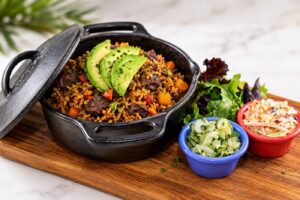
Trinidad Beef Pelau with Green Seasoning
A home-scaled Trinidad Beef Pelau adapted from a Tropical Krave restaurant recipe,…
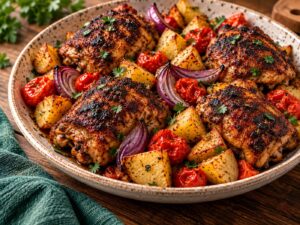
Air Fryer Jerk Chicken Thighs with Potatoes, Tomatoes and Onion
Air fryer jerk chicken thighs with potatoes, tomatoes and onion, seasoned with…
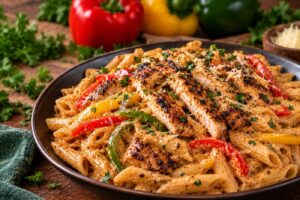
Spicy Jerk Chicken Pasta
Creamy jerk chicken pasta with BackYard Blendz Jerk Seasoning Medium, sliced chicken…